

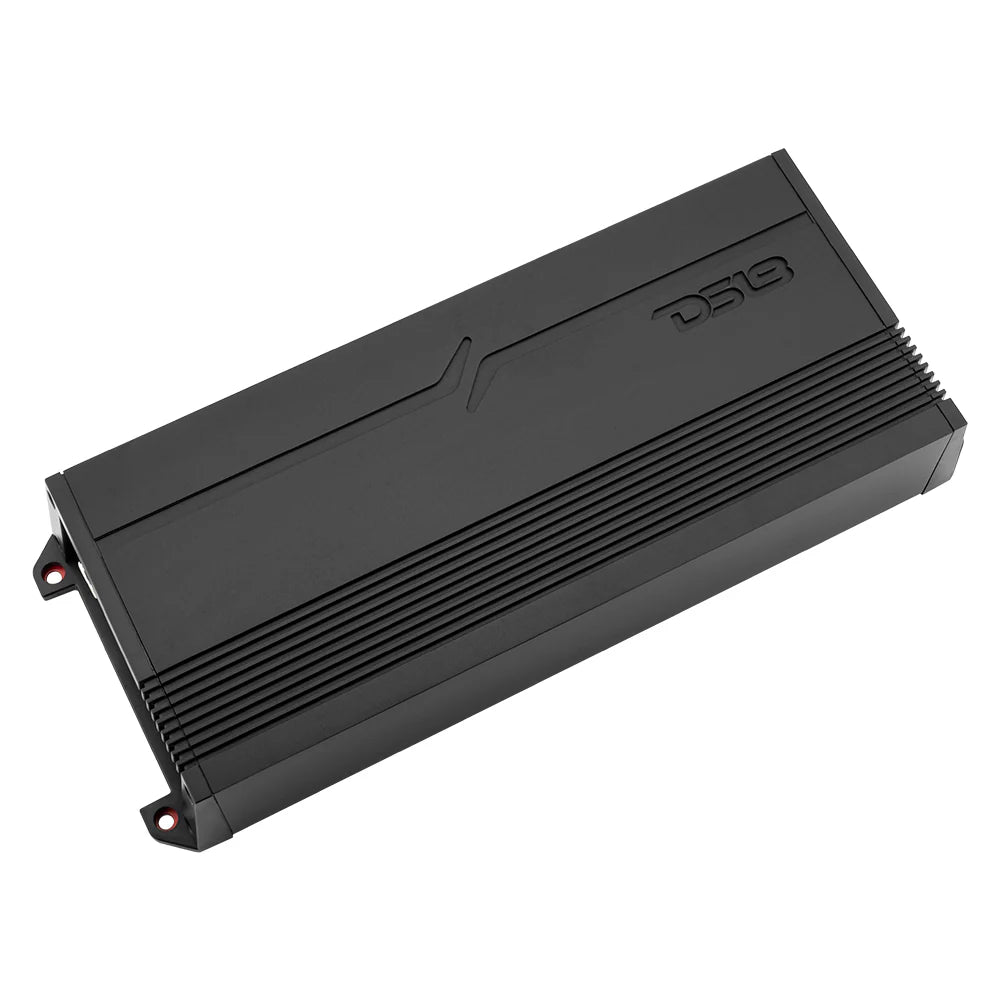
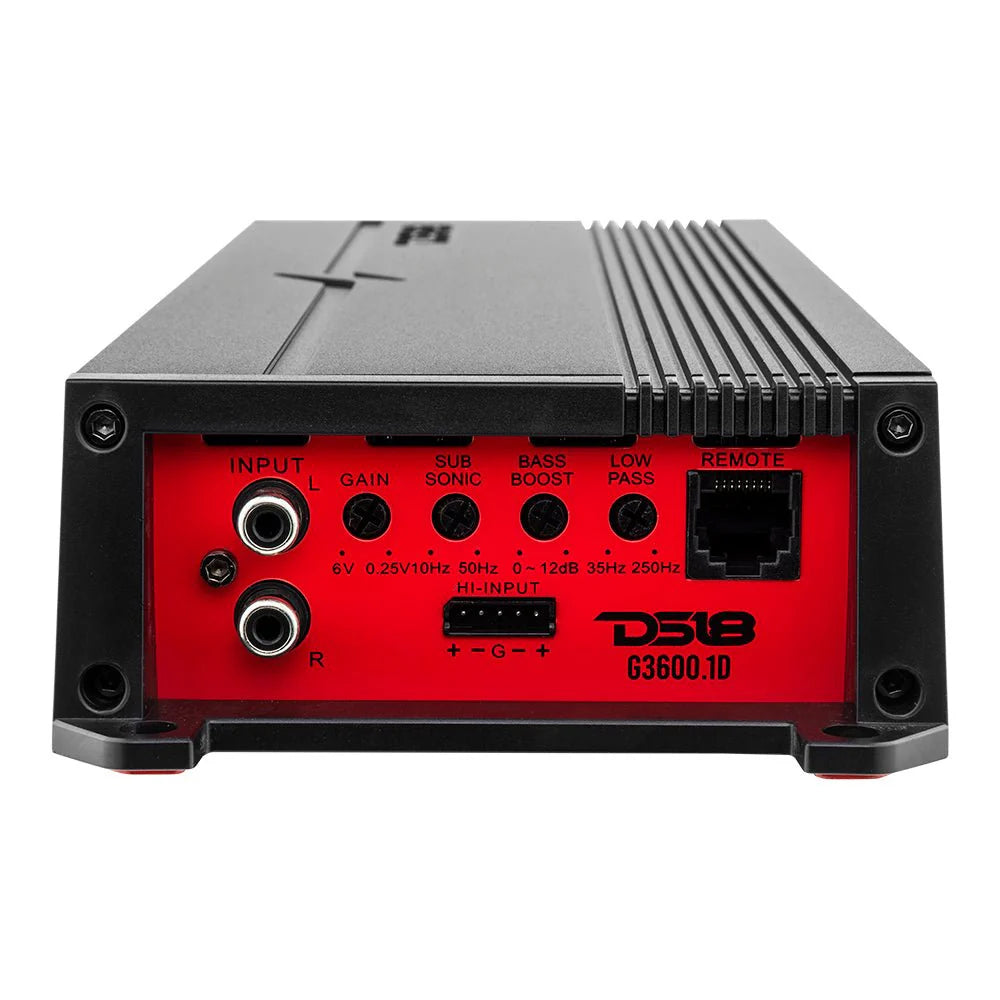
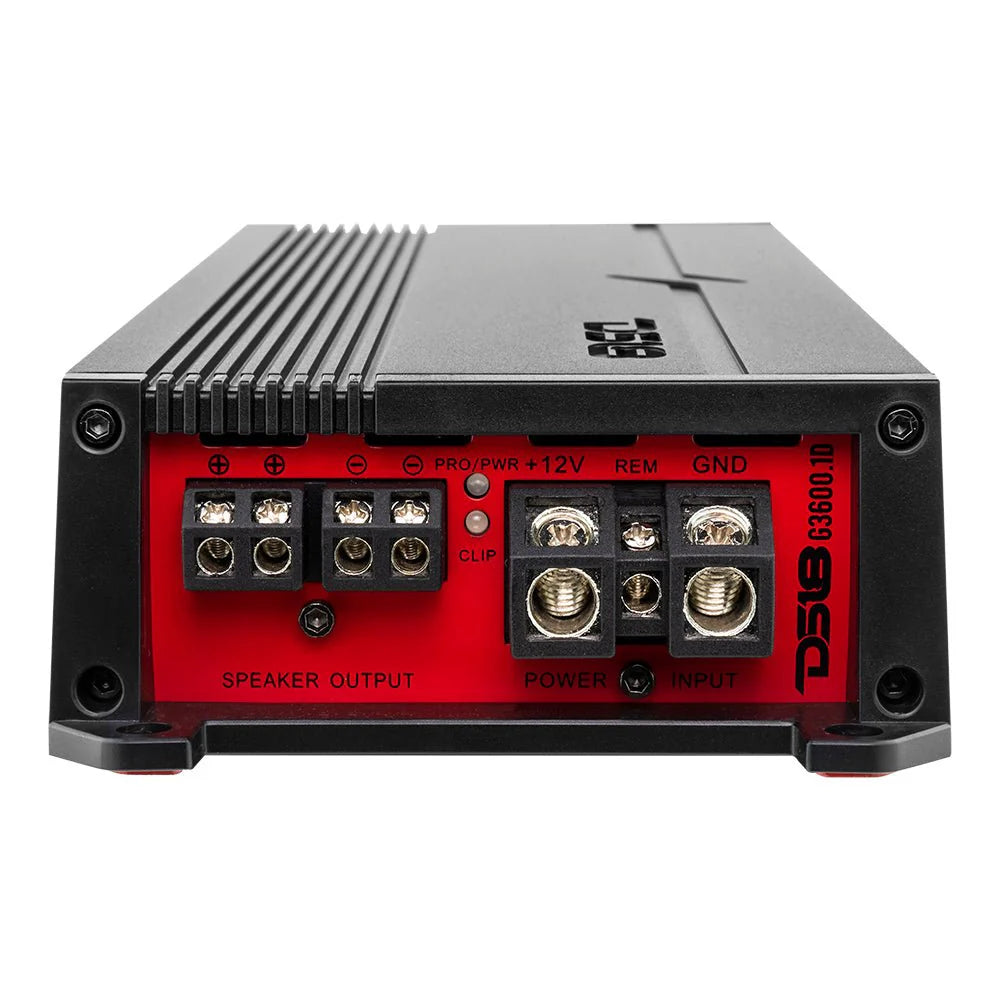
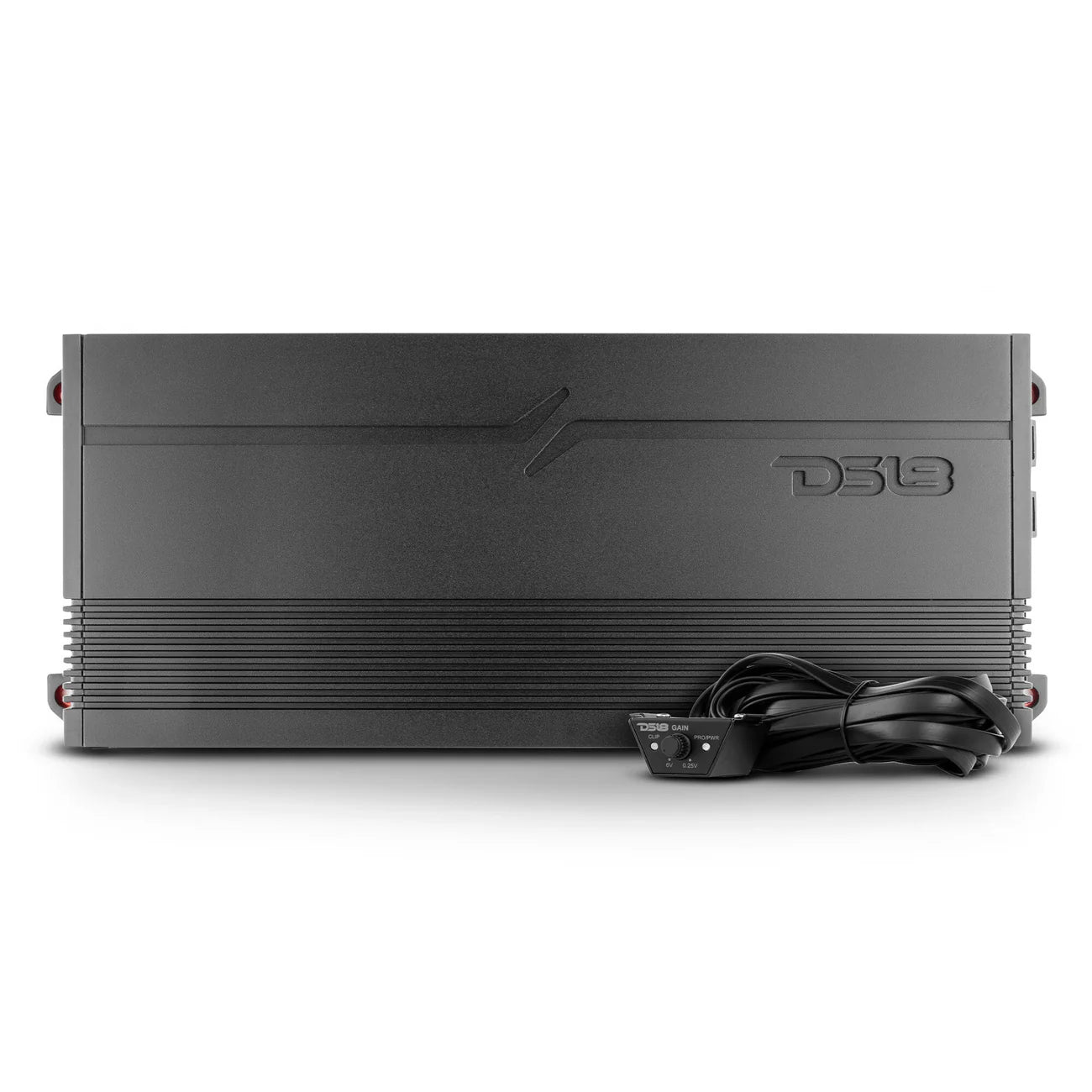
DS18 G3600.1D 1 Channel Monoblock Amplifier — 3600W
Free shipping on orders over $100
Continental US · processed within 1–2 business days
Store-credit returns
New, uninstalled items in original packaging
In stock! Ships within 2 business days.
Award Winning Sound
2-Year Limited Warranty
Variety of Payment Options
DS18 G3600.1D 1 Channel Monoblock Amplifier — 3600W
Product Overview
Description
Free shipping on orders $100+
If you have any questions, you are always welcome to contact us. We'll get back to you as soon as possible, within 24 hours on weekdays.
-
Shipping Information
Use this text to answer questions in as much detail as possible for your customers.
-
Customer Support
Use this text to answer questions in as much detail as possible for your customers.
-
FAQ’s
Use this text to answer questions in as much detail as possible for your customers.
-
Contact Us
Use this text to answer questions in as much detail as possible for your customers.
FAQs
Please read our FAQs page to find out more.
RMS vs. MAX power — which number do I actually care about?
RMS is what your gear handles continuously; MAX is the short burst it can survive without complaint. Match your amplifier's RMS output to your speakers' RMS rating — sizing off the MAX number is how magic smoke gets released.
What does the IP65 rating on DS18 marine gear actually mean?
It's dust-tight and rated against low-pressure water jets from any direction — built for spray, rain, and the occasional wave over the bow, not for full submersion. If something's going somewhere it could sit underwater, that's a different conversation entirely.
How do I match an amplifier to my speakers without guessing?
Add up the RMS rating of everything the amp will power, and pick an amp whose RMS output (at your speakers' impedance — usually 4-ohm) lands close to that total. Undersized is thin sound; wildly oversized is a fast way to blow a voice coil.
Can I mix marine-grade gear into a standard car audio setup, or the reverse?
You can run marine-grade gear in a car — it's just over-built for that environment, no downside besides cost. Running non-weatherproof car audio gear in an open UTV or boat is the direction that causes problems.
What gauge wiring kit do I need?
It scales with your amp's power draw and the length of the run — DS18's OFC kits come in 4-gauge and 8-gauge for a reason. Undersized wiring on a high-draw system is a voltage-drop and heat problem waiting to happen; when in doubt, size up.